Tables, cues,
and what’s on them
Heyball tables, American pool on blue cloth, and house cues at every one. It is the part of the club people praise most.
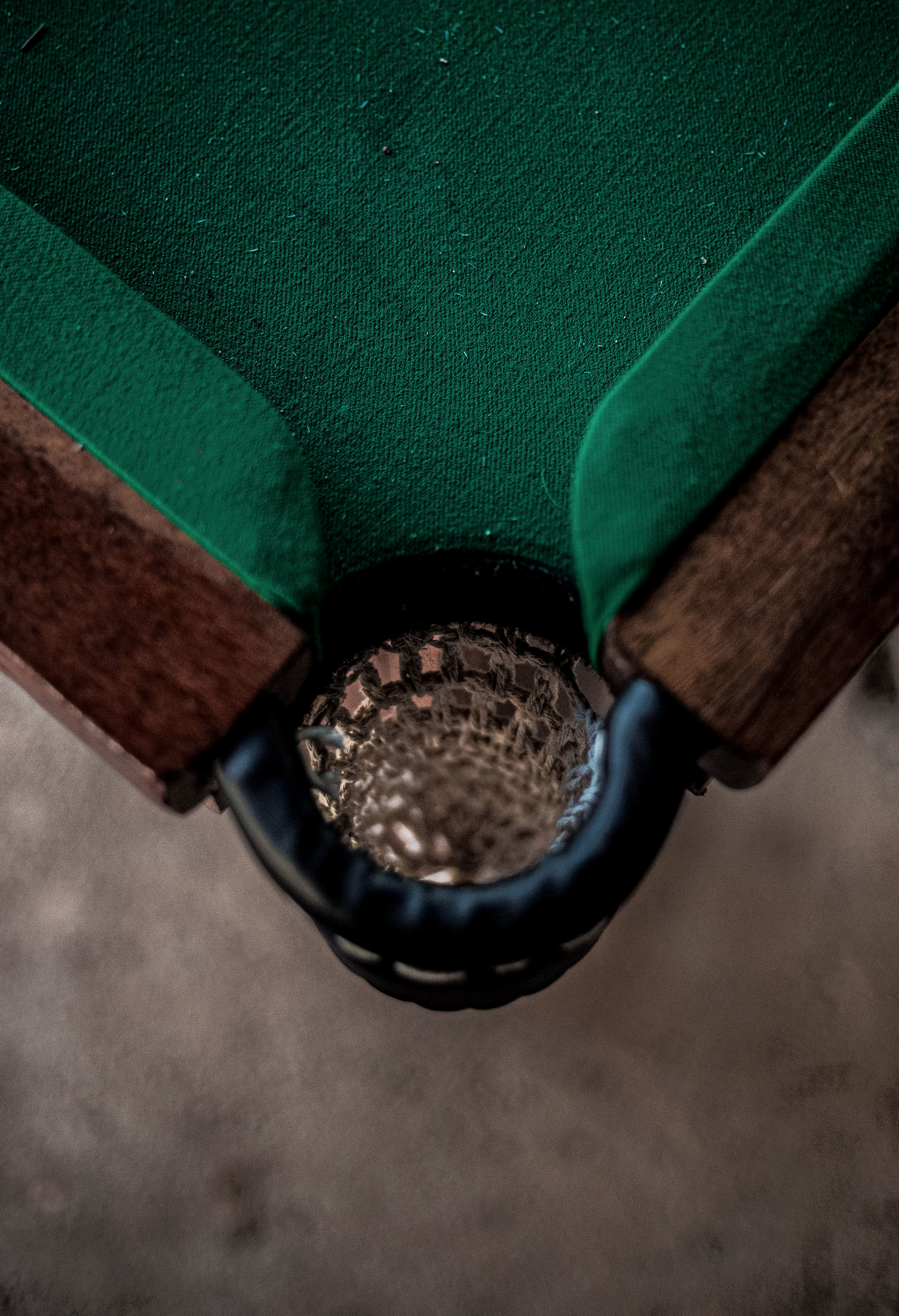
“Professional Chinese 8-Ball tables for casual play, practice and competition.”
Heyball
- Tables
- 8, in the long room
- Size
- 9 ft Chinese 8-ball
- Cloth
- Napped cloth over slate
- Lighting
- A suspended raft over every table
- Cues
- House cues, with a rest and a spider at every table
- Rate
- $20 an hour per table
American pool
- Tables
- 4, in the room beside the Heyball tables
- Size
- 8 ft American
- Cloth
- Blue, on tables made for the club
- Cues
- Pool cues with the wider tip, rest and spider at every table
- Rate
- $20 an hour per table
Cues, rest, spider, chalk and balls are included in the hour. See the rates page for when the clock starts and stops.
The cue you’ll be handed
A house cue is a cue somebody else chose. The parts worth knowing are the tip, which is the only thing that touches the ball; the ferrule behind it, which stops the shaft splitting; and the weight, which is the difference between a cue that feels like an extension of your arm and one that feels like a broom.
Heyball tips run around 9 to 10 mm. American pool balls are larger and heavier and want something nearer 13 mm, so the pool tables have their own cues. If the first cue you pick up feels wrong, ask at the counter for another.